Ergonomics in Defense Industry: User-Centered Product Design
In recent years, companies operating in the infrastructure, construction and defense industries have started to focus on the human factor as much as operational success. Multinational engineering firms with hundreds of employees now prioritize not only functionality but also ease of use and ergonomics in equipment design.
- In recent years, investments in ergonomic design-oriented product development have increased rapidly
- Budgets allocated to logistics and transportation solutions in the global defense industry reached billions of dollars
- Ergonomics-based military hardware investments are expanding in the Pacific, Europe and the Middle East
Since the 2010s, there have been many mergers and acquisitions in the global defense and construction industries. These mergers have contributed not only to financial strengthening, but also to the expansion of production technologies and ergonomics-oriented design capabilities.
With thousands of employees, large-scale companies operating in the infrastructure, construction and logistics sectors invest in the development of not only durable but also human-oriented products. The ergonomic design of systems used in harsh conditions such as roads, bridges and pipelines directly affects the productivity and safety of employees.
“Merging companies with similar visions on a global scale not only increases technical expertise, but also enables human-centered design approaches to spread faster.”
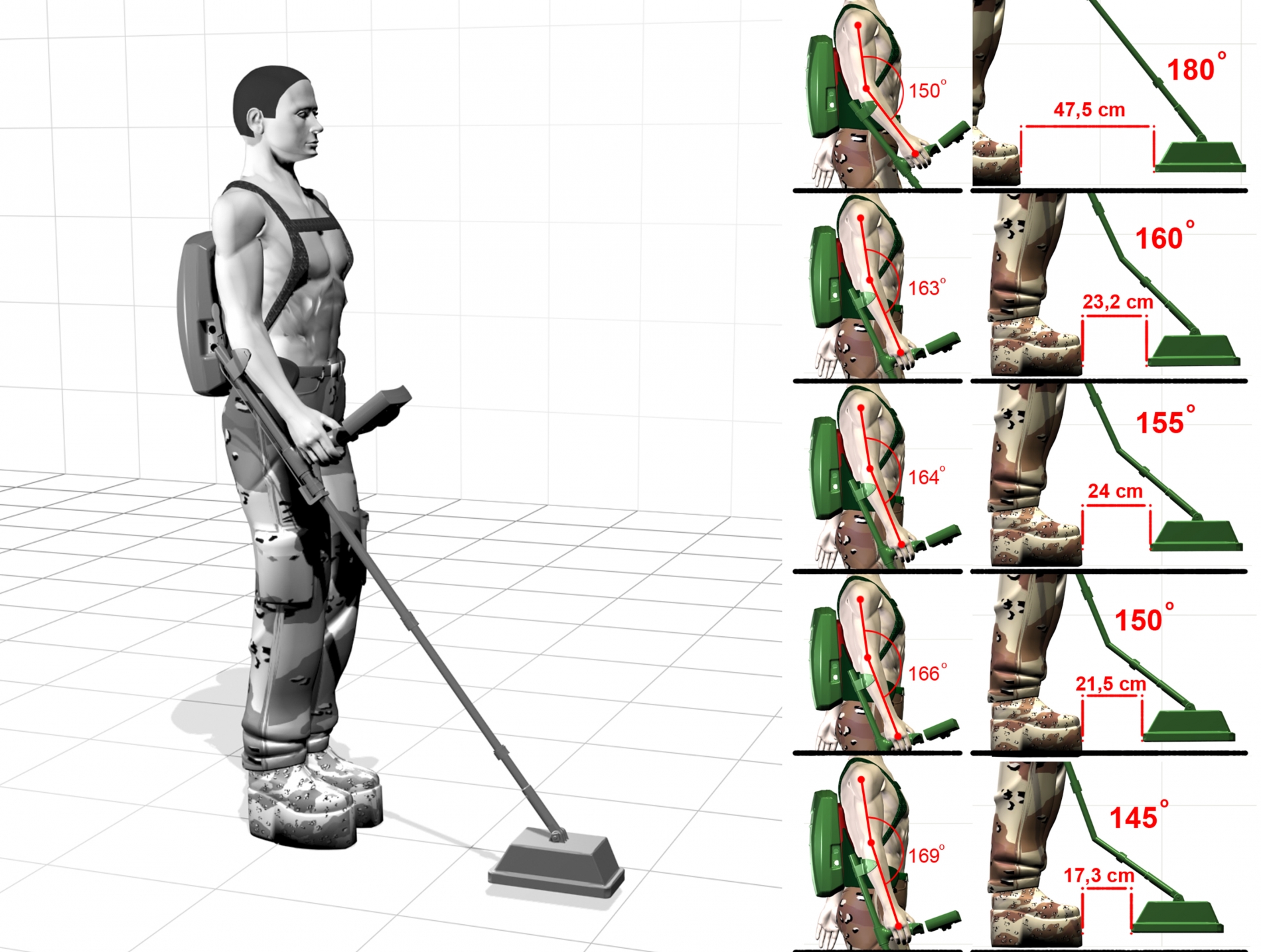 In recent years, large-scale companies operating in the defense and infrastructure sectors have been making new investments and mergers to strengthen their operations in different regions. These expansion strategies increase know-how, especially in the fields of highway construction, ground reinforcement, civil engineering and energy infrastructure, while contributing to the standardization of ergonomics and user safety.
In the last decade, numerous infrastructure projects have been implemented around the world. In projects such as airport connection roads, highway modernizations and renewal of urban transportation lines, not only engineering but also the comfort of the personnel working in the field has become a priority. Ergonomics has become an indispensable part of operational efficiency in the equipment and transportation solutions used in this process.
With decades of experience, some global companies operating in the field of energy infrastructure play a leading role in both onshore and subsea pipeline projects. The transportation systems and equipment used in such projects are designed for challenging terrain and climatic conditions. Especially in long-term field operations, user-friendly and ergonomic solutions not only increase occupational safety but also directly affect the performance of the personnel.
The global growth in the infrastructure, transportation and energy sectors has led companies to expand their expertise in different regions. This growth not only increases engineering capabilities, but also makes it imperative that all equipment used on the job site is designed to be more user-friendly, safe and ergonomic.